


Applications of Ozonation System in Various Industries
and other specialized applications
- Home
- »
- Applications
- »
- Pulp and Paper Bleaching-test
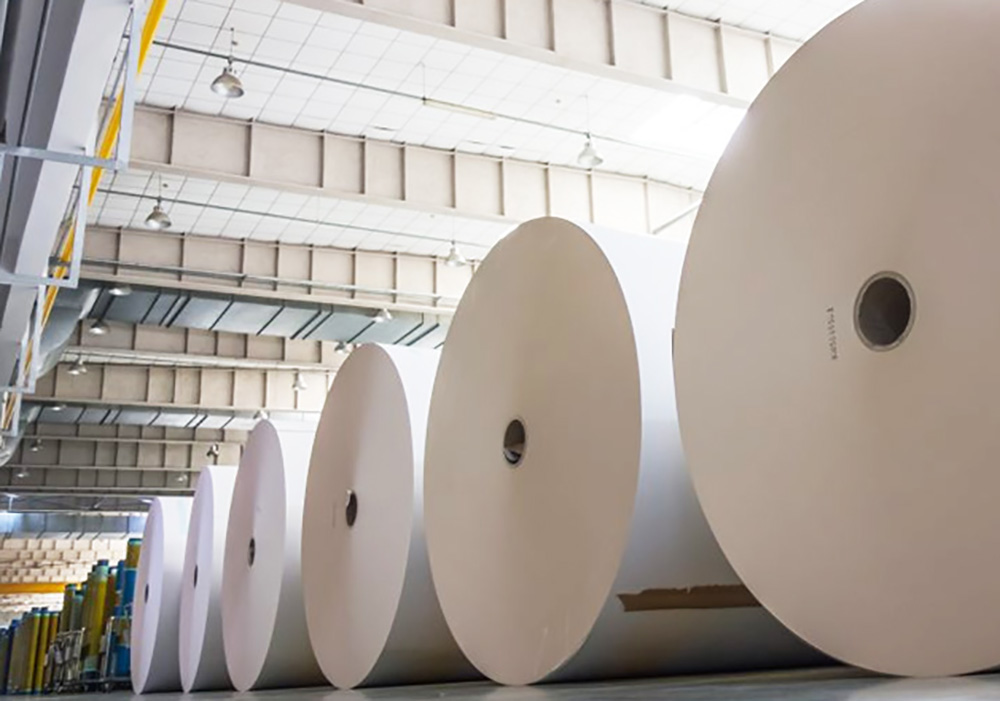
Pulp and Paper Bleaching-test
Ozone for Pulp and Paper Bleaching
The main goal of pulp bleaching is to achieve degradation & dissolution of lignin and extractives, while increasing whiteness/brightness without compromising the fibre quality. Ozone does so, with minimal environmental impact and efficacy, thus serving as an attractive alternative to chlorine-based paper and pulp bleaching systems. By reducing the need for additional effluent treatment processes, ozone also enhances overall safety and lowers operating costs, making it an ideal choice for sustainable paper manufacturing.
How Ozone Works in the Pulp & Paper Industry
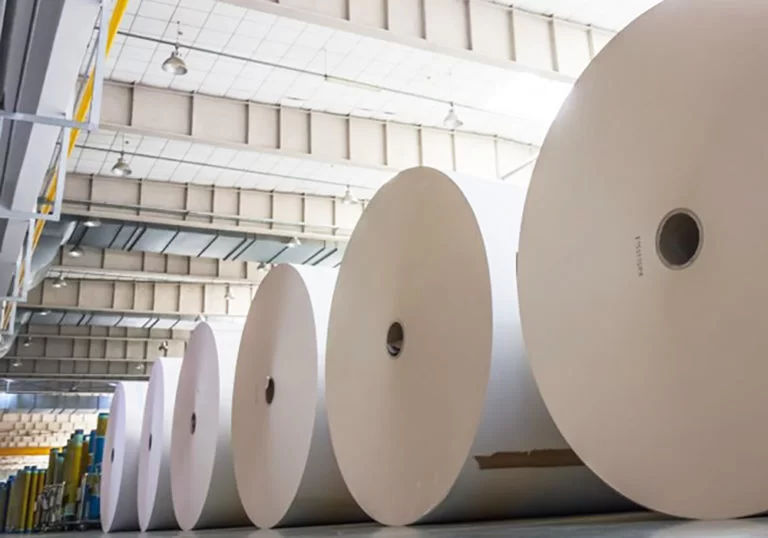
Ozone (O₃)is utilised as an oxidising agent to selectively break down lignin without damaging the cellulose fibres. Ozone, thus employed, not only achieves a significantly lower kappa number (the measure of residual lignin) than conventional chlorine-based bleaching improves, but also improves the D65 pulp brightness, without compromising the fibre strength and integrity. It also produces fewer undesirable chlorinated organic compounds, such as AOX (adsorbable organic halides), in treatment wastewater.
The Paper & Pulp industry is subject to strict environmental compliance norms that are concerned primarily with the management of wastewater or effluent. Ozone addresses both of these concerns by improving pulp bleaching and effluent treatment outcomes. This is borne out by research that shows that ozone bleaching can increase pulp brightness by 85–90% while reducing organic halides in wastewater discharge by over 70%.
How Ozone is used in Environmental Impact Mitigation
In pulp and paper mills, effluents usually contain high levels of COD (chemical oxygen demand) and BOD (biological oxygen demand). Ozone reduces COD and BOD loads by oxidising complex organic pollutants into compounds that are more biodegradable or that have less environmental toxicity. Ozone is uniquely beneficial here as it does not itself produce any harmful reaction by-products in the process. Furthermore, wastewater thus treated is more amenable to reuse, enabling mills to reduce their overall water consumption.
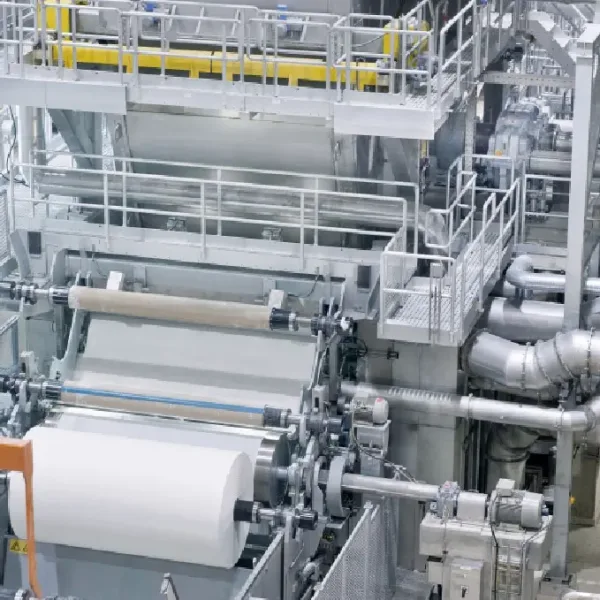
Implications for Process Sustainability
In view of the increasingly stringent affluent treatment demands, several paper mills have already converted to or are in the process of converting to ECF (elemental chlorine free) technologies. Ozone-based processes will best support these and the next stage of TCF (total chlorine free) technologies.
Why use ozone in the pulp and paper bleaching

High ROI from reduced chemical costs

Lower COD, BOD and AOX, Pulp quality improved without compromising strength. Enables switch to eco-friendly bleaching technologies –ECF and TCF.

Long-term cost savings while helping meet sustainability goals
Safety and Operational Considerations
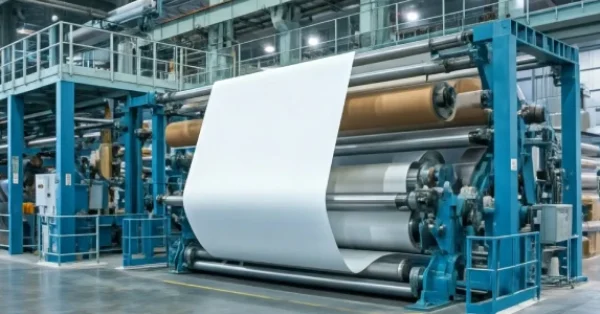
Ozone gas, while safe in low concentrations, can be deleterious if its use is not in compliance with regulatory frameworks. Accordingly, it is important to ensure, as per the OSHA recommendation, that exposure limits be set at or below 0.1 ppm; to provide adequate ventilation; and to follow company-prescribed handling protocols. It is essential to follow safety and operational best practices to effectively harness the benefits of ozone without compromising workplace safety.
Industry Implementations
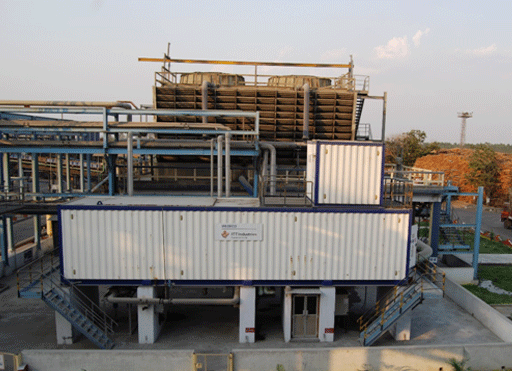
World’s Largest Single Ozone Generator for Pulp & Paper Bleaching, Andhra Pradesh, India
Overview: A leading pulp and paper manufacturer aimed to comply with stringent environmental regulations while enhancing pulp quality and lowering production costs.
OTSIL’s Solution: The installation of our high-capacity ozone generator enabled pulp with a Kappa index of 4.5 to achieve 89% ISO brightness, with total effluent around 8 m³/BDT. Ozone replaced 1.8–2 kg of ClO₂ with 1 kg of ozone, delivering comparable costs with significant operational savings. Physical tests conducted by the client showed a slight reduction in viscosity, while the mechanical properties improved, confirming the efficiency and sustainability of ozone in large-scale pulp bleaching.
Upgrade to Smarter, Sustainable Bleaching Today